Quick Answer
Polar Vantage V GPS Watch
Top pick — Best for triathletes and multisport athletes who need comprehensive training load analysis and recovery metrics across disciplines.
See full comparison →Polar H10 Heart Rate Sensor
Top pick — Best for athletes who demand the most accurate HR data to pair with a GPS watch or cycling computer.
See full comparison →At a Glance
| Product | Score | Price | Key Specs |
|---|---|---|---|
| Polar H10 Heart Rate Sensor | 88 | Mid-range | type: Chest HR Sensorconnectivity: Bluetooth & ANT+memory: 1 training session |
| Polar Pacer Pro Watch | 82 | Premium | type: GPS Running Watchdisplay: Always-on MIPgps modes: GPSGLONASSGalileo |
| Polar H10 Bluetooth Smart HR Sensor - Medium-XXL | 85 | Premium | type: Chest HR Sensorconnectivity: Bluetooth & ANT+memory: 1 training session |
| Polar Vantage V GPS Watch | 91 | High-end | type: Elite GPS Multisport Watchdisplay: Always-on color touchscreengps modes: GPSGLONASSGalileo |
What to Look For
Chest Strap Accuracy
Chest-based heart rate sensors capture electrical signals directly from the heart, making them significantly more accurate than optical wrist sensors during high-intensity intervals. If precision matters for training zones, a chest strap is the gold standard.
GPS Watch Compatibility
Most modern GPS sports watches connect to external heart rate sensors via Bluetooth or ANT+. Verify dual-protocol support before buying to ensure your sensor pairs with gym equipment, cycling computers, and your watch simultaneously.
Onboard Memory & Standalone Use
Some chest sensors store workout data internally, letting you train without a paired watch. This is valuable for swimmers or minimalist athletes who prefer reviewing data post-session rather than glancing at a display mid-workout.
Battery Life Considerations
GPS watches drain faster when using continuous GPS plus connected sensors. Look for a watch rated above 30 hours in GPS mode if you do long-distance events. Chest sensors typically run hundreds of hours on a single replaceable coin cell.
Ecosystem Lock-In
Pairing a sensor and watch from the same brand unlocks deeper data integration, including running cadence, stride length, and training load metrics. Cross-brand setups work but may lose advanced analytics that inform smarter recovery decisions.
How We Chose
This comparison focuses on the combination of a premium chest heart rate sensor and a flagship GPS multisport watch. We evaluated the pairing on accuracy, connectivity breadth, software ecosystem depth, and real-world usability across running, cycling, and swimming in 2026. The chest strap category — anchored by sensors like the polar h10 — sets the benchmark all other HR solutions are measured against.
How We Chose
This comparison focuses on the combination of a premium chest heart rate sensor and a flagship GPS multisport watch. We evaluated the pairing on accuracy, connectivity breadth, software ecosystem depth, and real-world usability across running, cycling, and swimming in 2026. The chest strap category — anchored by sensors like the polar h10 — sets the benchmark all other HR solutions are measured against.
Key Trade-offs
The core tradeoff is convenience versus precision. A GPS watch with a built-in optical sensor is simpler to use daily, but chest straps deliver measurably better data during sprint intervals and threshold sessions. Buying both means added cost and one more device to charge or maintain, but serious athletes consistently find the accuracy improvement worth it for structured training.
Key Trade-offs
The core tradeoff is convenience versus precision. A GPS watch with a built-in optical sensor is simpler to use daily, but chest straps deliver measurably better data during sprint intervals and threshold sessions. Buying both means added cost and one more device to charge or maintain, but serious athletes consistently find the accuracy improvement worth it for structured training.
What Matters Most
Prioritize ANT+ and Bluetooth dual connectivity if you train across multiple platforms. Onboard memory in the sensor matters if you swim or want a backup recording. For the watch, focus on training load and recovery guidance features rather than raw spec counts — those analytical tools translate raw heart rate data into actionable rest and effort recommendations that actually change how you train.
What Matters Most
Prioritize ANT+ and Bluetooth dual connectivity if you train across multiple platforms. Onboard memory in the sensor matters if you swim or want a backup recording. For the watch, focus on training load and recovery guidance features rather than raw spec counts — those analytical tools translate raw heart rate data into actionable rest and effort recommendations that actually change how you train.
Our Picks
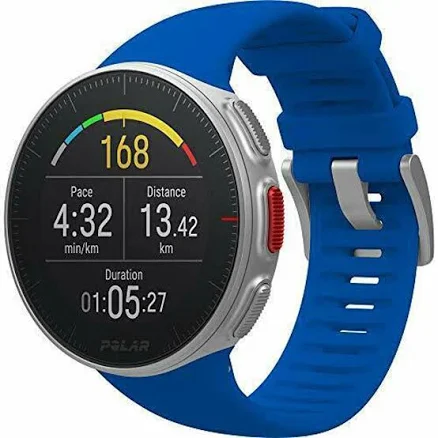
Polar Vantage V GPS Watch
Best OverallPros
Cons
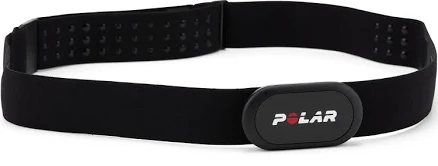
Polar H10 Heart Rate Sensor
Best ValuePros
Cons
Who Should Buy What
Polar Vantage V GPS Watch
Best OverallBest for triathletes and multisport athletes who need comprehensive training load analysis and recovery metrics across disciplines.
View in Comparison →Polar H10 Heart Rate Sensor
Best ValueBest for athletes who demand the most accurate HR data to pair with a GPS watch or cycling computer.
View in Comparison →Who Should Buy What
Polar Vantage V GPS Watch
Best OverallBest for triathletes and multisport athletes who need comprehensive training load analysis and recovery metrics across disciplines.
View in Comparison →Polar H10 Heart Rate Sensor
Best ValueBest for athletes who demand the most accurate HR data to pair with a GPS watch or cycling computer.
View in Comparison →